Home › Commercial Concrete Sealing and Coatings
Superior Concrete Detroit applies commercial concrete sealing and coatings to protect floors, slabs, and exterior flatwork. We offer clear sealers, industrial floor coatings, and traffic resistant finishes. Our team prepares surfaces correctly for long lasting adhesion and performance. Contact us to design a concrete maintenance and coating program for your facility.
Superior Concrete Detroit provides professional commercial concrete sealing throughout Detroit, MI, Michigan and the surrounding area. Our licensed, insured crew delivers safe, clean, on-time work with a free estimate before anything begins. Call (313) 986-4241 or request your free quote.
Commercial Concrete Sealing for Detroit’s Harsh Conditions
Commercial concrete in Detroit takes a beating. Between freeze-thaw cycles off the river, deicing salts in parking lots, forklift traffic in warehouses, and oil leaks in loading areas, unprotected slabs wear out faster than most owners expect. Superior Concrete Detroit focuses on commercial concrete sealing and coatings that are built specifically for Southeast Michigan conditions, not a one-size-fits-all product out of a catalog.
We work on grocery store loading docks, auto shop floors, strip mall sidewalks, apartment complex garages, restaurant patios, and light industrial facilities all over Detroit and the inner-ring suburbs. The goal is usually the same: stop salt and moisture from chewing up the slab, make cleaning easier, and keep the surface safe for customers and employees. Before we recommend anything, we look at how the space is used, how old the concrete is, what has been applied before, and what kind of downtime your operation can tolerate.
Big drivers in choosing the right sealer or coating are traffic type (foot, vehicle, or forklift), exposure to chemicals like oils and solvents, whether the surface is indoors or outdoors, and how smooth or slip resistant it needs to be. In Detroit, most exterior commercial concrete benefits from a penetrating sealer that soaks in and blocks salt and water, while interiors often get an epoxy or polyaspartic system that adds both protection and a cleaner look. Superior Concrete Detroit walks you through these choices in plain language so you understand what you are getting and why.
How We Prepare Your Commercial Concrete Properly
Any sealer or coating is only as good as the surface preparation. Most failures we see in Detroit strip malls, auto shops, and older factories come from skipping or rushing this step. Superior Concrete Detroit spends most of our time getting the concrete ready so the product can bond correctly.
We start with a condition assessment. On site, we check for moisture issues, previous coatings, oil soaking, existing sealers, and surface damage like spalling or scaling from winter salts. In many older Detroit buildings, especially pre-1970 warehouses and garages, there may be multiple layers of old paint, tire marks, and oil. We identify all of that before we touch a grinder.
Next is cleaning and degreasing. For garages, loading docks, and service bays, we use commercial degreasers and scrubbers to pull oil out of the pores, then rinse and extract with wet vacs. For exterior walkways and plazas, we often combine detergent cleaning with hot-water pressure washing to clear gum, dirt, and deicing residue. The concrete must be clean and sound or the sealer or coating will not bond.
Then we profile the surface. Depending on the system, we use mechanical grinding or shot blasting to open the pores and create the correct texture. Epoxy and polyaspartic coatings need a concrete surface profile (CSP) in a specific range, usually achieved with planetary grinders and diamond tooling. For many penetrating sealers, a lighter profile or even just a thorough cleaning is enough, but on trowel-slick indoor slabs we still open the surface so the sealer can soak in evenly.
We also handle repairs before sealing. That can include patching cracks, filling control joints, repairing popouts and spalls, and in some cases replacing small damaged areas. In loading areas where trucks have crushed joints or edges, we may install semi-rigid joint fillers designed for heavy traffic. The aim is to create a stable, even surface, so the sealer or coating system has a solid base and you are not trapping active problems under a new finish.
Sealers, Epoxies, and Coatings We Use in Commercial Spaces
Not all commercial concrete sealing is the same product in a different bucket. Superior Concrete Detroit uses different systems depending on the space and how it is used. Exterior drive lanes at a medical office do not need the same coating as a busy automotive shop in Southwest Detroit.
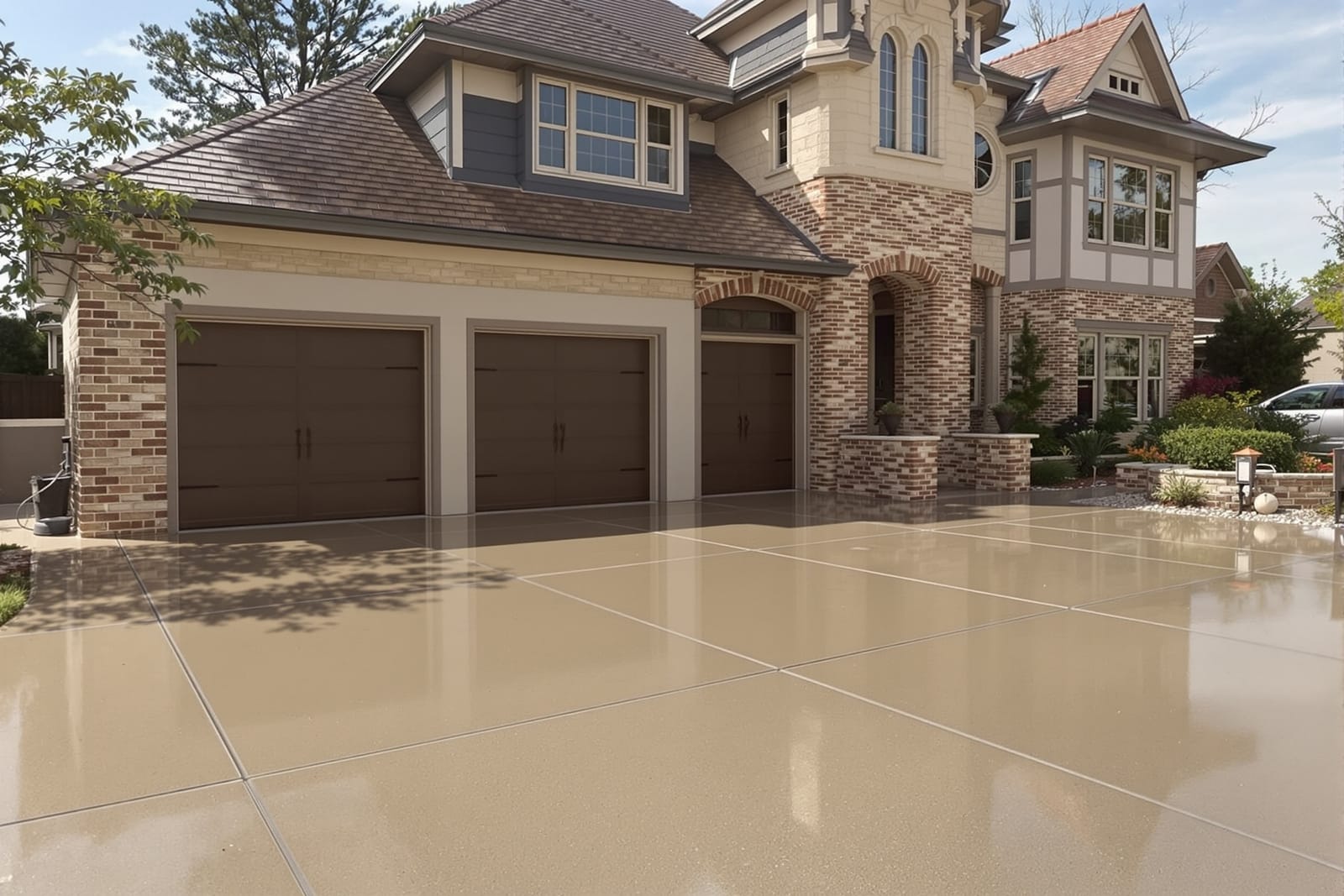
For outdoor slabs like walkways, loading zones, dumpster pads, and parking decks, we often recommend penetrating sealers. These include silane, siloxane, or silicate-based products that soak into the concrete instead of forming a film on top. They reduce water and salt absorption, which is critical in Detroit winters, and they help limit scaling and surface peeling. Penetrating sealers usually leave the concrete looking natural, sometimes with a slight darkening, and they do not create a slick film.
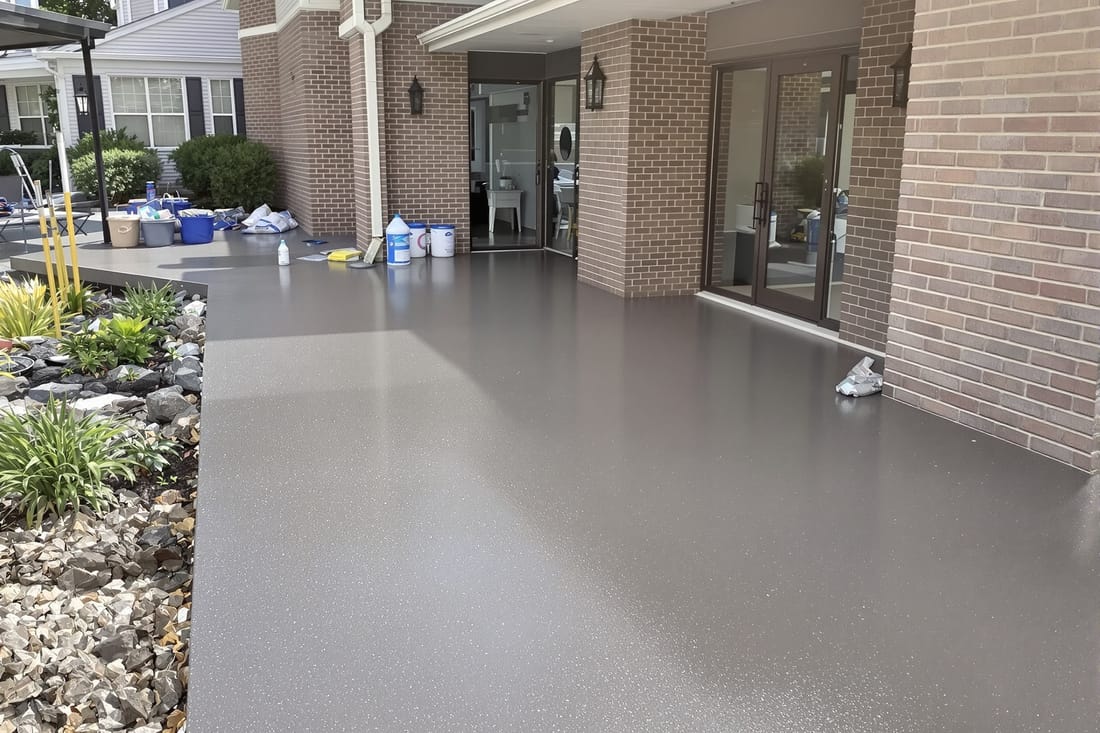
For indoor commercial floors like showrooms, light manufacturing, kitchens, and service bays, we frequently use epoxy and polyaspartic coatings. Epoxy is durable and budget friendly and can be built up in multiple coats. It can be combined with colored flakes or quartz for a decorative look and improved traction. Polyaspartic topcoats cure quickly, often in a few hours, which helps businesses that cannot be down for multiple days. They also handle hot tires and chemical exposure better than basic paints.
Where slip resistance is a concern, such as restaurant entries, ramps, or grocery store loading docks, we broadcast fine aggregates or texture media into the coating. This keeps the floor cleanable but reduces the chance of slips when it is wet or snowy. In some Detroit office and retail spaces, owners choose a clear seal system over polished concrete to keep a natural, low-maintenance appearance while still sealing the pores.
We also address specialty needs. For example, auto repair or detailing shops may need chemical-resistant coatings that stand up to brake fluid and oils without softening. Food service or commercial kitchens may need systems that tolerate frequent hot-water washdowns. In multi-level parking structures and apartment garages, we focus on sealing against water and chloride migration to help protect reinforcing steel and prolong the life of the structure.
What Affects Cost and Schedule for Commercial Concrete Sealing
Commercial concrete sealing costs in Detroit are driven by more than square footage. When Superior Concrete Detroit puts together a proposal, we look closely at surface condition, previous treatments, access, and how quickly the work must be completed.
The biggest cost factor is often preparation. A clean, newer slab in a recently built strip center may only need cleaning and light profiling before sealing. An older warehouse floor with multiple layers of old paint and heavy oil staining may need extensive grinding, shot blasting, and degreasing. Heavy prep means more labor, more equipment wear, and more time on site, which will be reflected in the price.
The type of system chosen also affects cost. Penetrating sealers for sidewalks and exterior slabs are usually the most economical. Film-forming acrylics, epoxies, and polyaspartics add material cost and more labor steps, but they also provide greater protection and appearance upgrades. Decorative systems such as colored epoxy with flakes, quartz broadcast floors, or multi-layer industrial coatings will be at the higher end of the range but may last longer under the right use.
Operational constraints can impact schedule and cost. If your auto bay or loading dock can only be shut down at night or over a single weekend, we may need to add extra crews or choose faster curing products, which can raise costs compared to a flexible schedule. In multi-tenant buildings in Detroit, there may also be access issues, freight elevator restrictions, or ventilation requirements that affect how we plan the job.
We are upfront about all of this during the estimating process. Superior Concrete Detroit typically performs a site visit, measures the areas, performs simple tests to check for existing sealers or moisture problems, and then provides a written scope that lists each step, the products, the approximate timeline, and any prep work the owner needs to handle, such as clearing inventory or vehicles. This helps you compare our plan against others on a real, apples-to-apples basis.
What Detroit Property Owners Should Know Before Hiring
Before you hire anyone for commercial concrete sealing in Detroit, it helps to know what to ask and what to look out for. Superior Concrete Detroit spends time educating clients because a properly chosen and installed system can easily outlast a quick, low-bid job.
Ask what preparation will be done and how. If a contractor only mentions “power washing” for an indoor slab or does not talk about grinding or shot blasting where an epoxy is planned, that is a red flag. For most commercial coatings, the manufacturer requires a specific surface profile and cleanliness level. If those steps are skipped, peeling and hot tire pickup are common, especially in garages and busy parking areas.
Find out which products are being used and why they are suited to Detroit’s climate. A basic acrylic cure-and-seal product may be fine for protecting new exterior concrete temporarily, but it is rarely the right long-term answer for a salted entry walk. For parking decks and ramps, you should hear about penetrating sealers that resist chlorides and UV, not just a generic “concrete sealer.” For interior shops and warehouses, you should hear specific epoxy or polyaspartic systems and data on their chemical and abrasion resistance.
Clarify expected lifespan and maintenance. No sealer or coating is permanent, especially in a city that sees as much freeze-thaw cycling and winter salt as Detroit. Most penetrating sealers on exterior slabs may need to be reapplied every 3 to 7 years, depending on traffic and exposure. Epoxy or polyaspartic floors in busy shops may eventually show wear in traffic lanes and can be refreshed by sanding and recoating. Ask for written care instructions, including what cleaners to use and avoid.
Finally, look at experience with similar properties. Sealing a small office walk is not the same as coating a high traffic auto service center or a downtown parking structure. Superior Concrete Detroit can point to local jobs that match your use type, walk you through what we did there, and explain how it has held up. That kind of real, local experience is important if you want a commercial concrete sealing project that performs the way you expect.